
The evolution of gambling through the ages a historical overview
Ancient Beginnings
Gambling has roots that stretch back to ancient civilizations, with evidence found in archaeological sites from Mesopotamia and China. The earliest forms of gambling often involved rudimentary games of chance using simple objects like bones or stones, and these practices were interwoven with cultural experiences. For those interested in betting on games, new casinos have emerged as exciting options in contemporary gambling. These early practices were not merely recreational; they were often used to make decisions or predict the future.

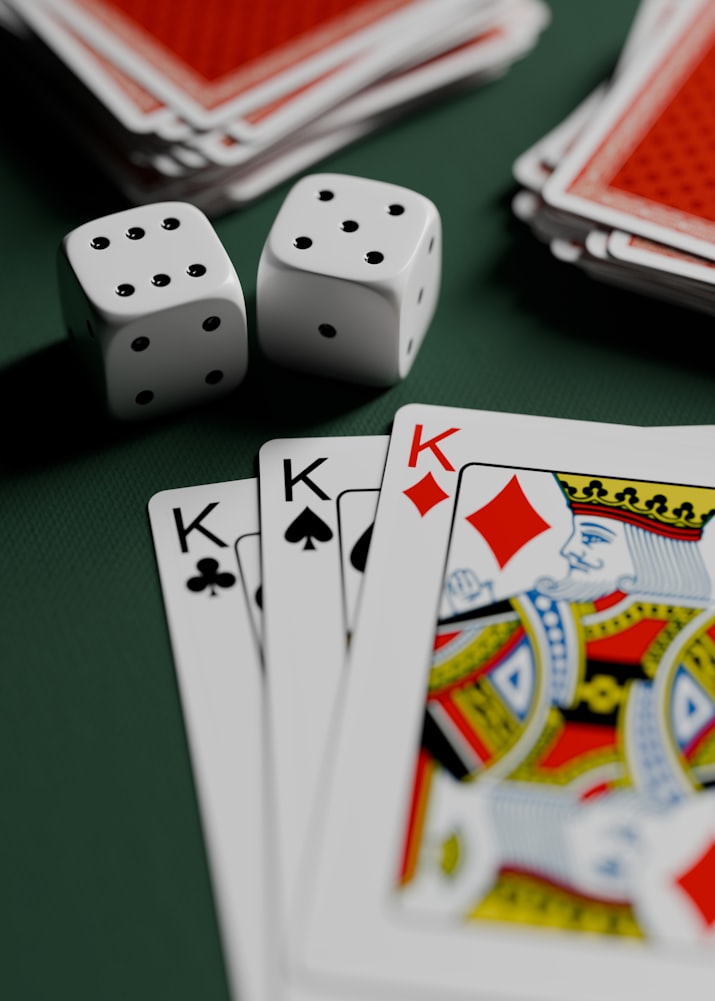
The use of dice dates back to around 3000 BCE in Mesopotamia, showcasing that the allure of risk and reward has been a fundamental aspect of human behavior. Ancient Chinese texts reveal that gambling was prevalent as early as 2000 BCE, where it was often associated with military strategy and fortune-telling.
Middle Ages to Renaissance
During the Middle Ages, gambling began to evolve into more structured forms. The establishment of betting houses in Europe allowed individuals to wager on various events, including the outcome of sporting contests. Card games gained popularity, and new gambling games like the lottery emerged, often used as a means to fund public projects.
The Renaissance marked a significant change, as the introduction of playing cards from the Islamic world led to the birth of modern games. Casinos began to emerge in Italy, where high-stakes gambling became a cultural phenomenon among the aristocracy, setting the stage for future developments in gambling culture.
The Rise of Casinos
The 17th and 18th centuries saw the establishment of the first official casinos in Europe, particularly in Italy and France. The Casino di Venezia, founded in the early 1600s, is considered the first recognized gambling house. The concept of the casino quickly spread across Europe, attracting a diverse clientele eager to partake in games of chance.
As the casino culture flourished, it became a symbol of sophistication and glamour. The introduction of games such as baccarat and roulette captivated players and solidified gambling’s place in society. This period also saw the rise of notable figures, including gamblers and cheats who became legends for their high-stakes stories and exploits.
The Modern Era of Gambling
The 20th century brought significant changes to gambling, particularly with the advent of technology and the expansion of gambling venues. Las Vegas emerged as the gambling capital of the world, offering extravagant casinos and entertainment. The legalization of gambling in various states and countries opened new doors for operators and players alike.
About This Website
This website serves as a comprehensive resource for those interested in the historical evolution of gambling. Our aim is to provide insightful articles that delve into various aspects of gambling, from its ancient origins to its modern-day transformations.