

Understanding Land Ownership in Vanuatu
Vanuatu, a beautiful archipelago in the South Pacific, is known for its stunning landscapes and rich cultural heritage. As interest in the islands grows, particularly for tourism and real estate development, understanding land ownership in Vanuatu becomes crucial for potential investors and expatriates. If you’re considering investing in real estate in this tropical paradise, you might want to vanuatu land ownership buy land in vanuatu. In this article, we will delve into the intricacies of land ownership, legal frameworks, and the opportunities available for those interested in acquiring property in Vanuatu.
The Unique Land Ownership System of Vanuatu
Vanuatu’s approach to land ownership is distinct from many western legal systems, mainly due to its indigenous land rights. The land in Vanuatu is owned primarily by indigenous communities rather than the government, with customary land tenure being the norm. This system is deeply rooted in the history and culture of the islands, where land is often viewed not as a commodity but as a heritage passed down through generations.
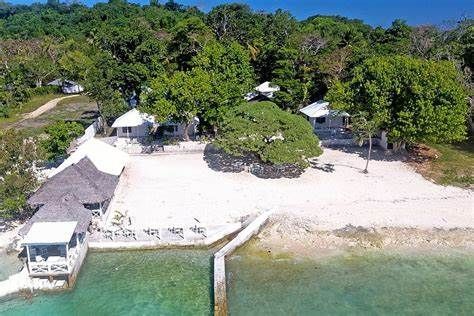
Customary Land vs. Freehold Land
There are two primary types of land ownership in Vanuatu: customary land and freehold land. Customary land is owned by local tribes and is governed by traditional laws and practices. This type of land is not available for outright sale to foreigners, although lease agreements can be negotiated.
On the other hand, freehold land can be sold to individuals and corporations, including foreign investors. However, freehold land constitutes a small portion of the overall land in Vanuatu. There are stringent laws governing the sale and ownership of freehold land, which are designed to protect the rights of the indigenous population.
The Legal Framework Surrounding Land Ownership
The current legal framework in Vanuatu regarding land ownership is anchored in the Vanuatu Land Reform Act of 1980 and various customary laws. The 1980 Act lays down the groundwork for land administration and the processes of land registration. Furthermore, the Vanuatu Lands Department oversees the management of land, including both customary and freehold lands.

For foreigners looking to invest in Vanuatu, navigating this legal landscape can be complex. It’s strongly recommended to engage local legal experts and real estate agents who understand the nuances of Vanuatu’s land laws. This guidance is essential to ensure that all transactions are conducted legally, minimizing the risk of disputes over land ownership.
Leasing Land in Vanuatu
Since foreign ownership of customary land is prohibited, leasing is a common option for non-citizens looking to establish a presence in Vanuatu. Typically, leases can be secured for a period ranging from 50 to 75 years, with options for renewal.
When entering a lease agreement, it’s crucial for foreign investors to conduct thorough due diligence. This entails verifying the legitimacy of the landowner and ensuring that the lease agreement is formalized and appropriately registered with the authorities. Unregistered lease agreements may lead to legal challenges and loss of investment.
Investment Opportunities and Challenges
With its stunning beaches, vibrant marine life, and rich cultures, Vanuatu presents numerous opportunities for investors in tourism, agriculture, and real estate development. However, prospective buyers should be aware of several challenges, including navigating the local bureaucracy, understanding cultural sensitivities, and securing a reliable lease agreement.
The tourism sector, in particular, has been a major driver of foreign investment, with many individuals and companies investing in resorts, hotels, and vacation rentals. However, ensuring that developments respect local cultures and practices is imperative for successful long-term ventures.
Environmental Considerations
Vanuatu is renowned for its natural beauty, but with increased interest in land development, environmental considerations become paramount. Investors must adhere to local regulations regarding environmental protection and sustainable development. Engaging with environmental experts and local communities is essential to mitigate potential ecological impacts.
Conclusion
Understanding land ownership in Vanuatu is essential for potential investors. With its unique customary land system, stringent legal frameworks, and promising investment opportunities, careful consideration and thorough research are key to navigating the complexities of purchasing land. Whether you are considering leasing land for a business venture or investing in freehold land, being informed and consulting with local experts will enhance the chances of a successful investment in Vanuatu.